Prologue: Renaissance Behind the Iron Curtain
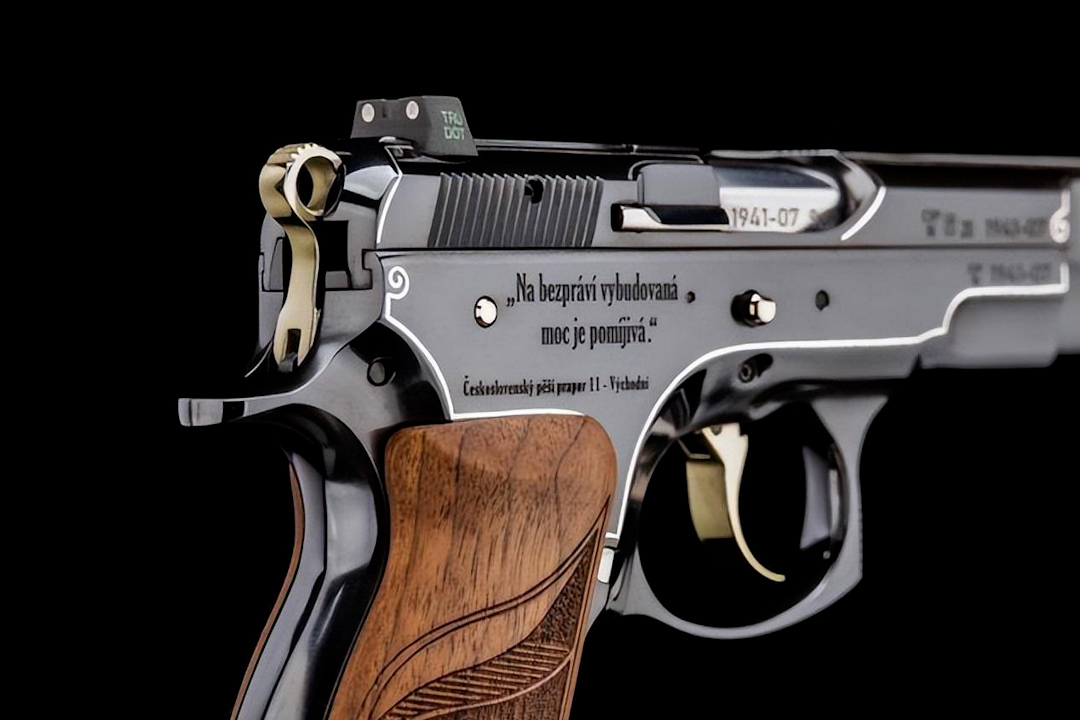
In 1975, as the Cold War’s iron curtain divided the world, Czech engineers Josef and František Koucký quietly achieved a masterstroke of firearms engineering at Uherský Brod’s state arsenal — the CZ 75 pistol. This elegant fusion of Browning’s locking mechanism and SIG P210’s ergonomics stormed Western markets as the first Warsaw Pact service pistol authorized for export, embodying socialist precision while chambering NATO’s 9×19mm cartridge — becoming the Cold War’s most successful “ballistic diplomat”.
I. Mechanical Poetry: Three Revolutionary Genes
1.The Art of Balance in Steel
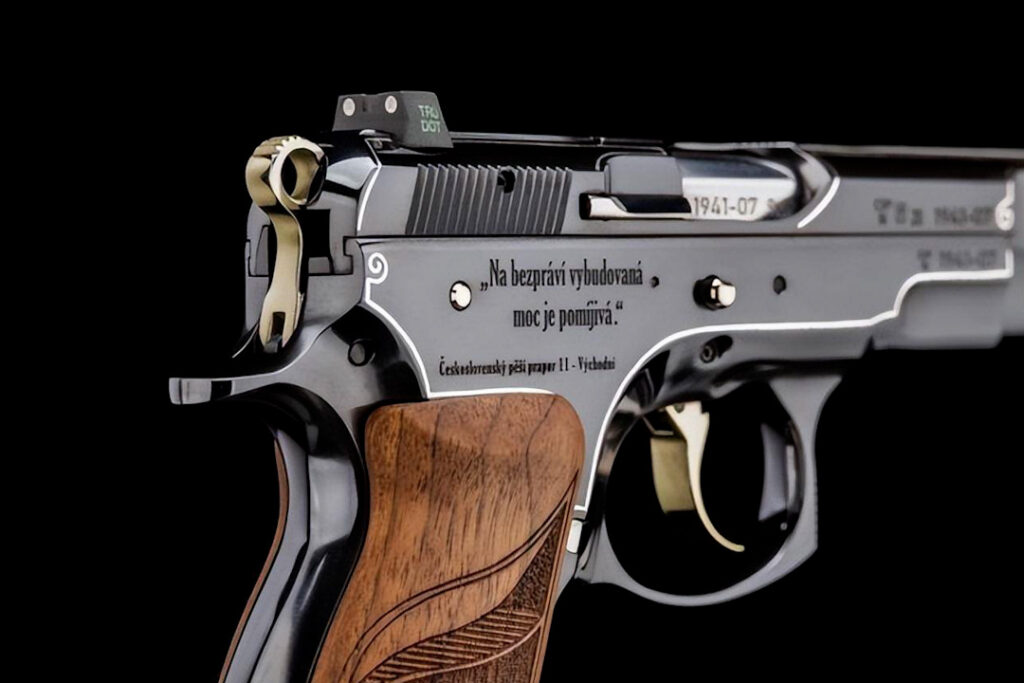
The CZ 75 pioneered “slide-in-frame” architecture, fully encapsulating slide rails within its steel frame. This innovation lowered the barrel axis by 4.2mm compared to contemporaries, optimizing recoil angle to 17° for near-vertical muzzle rise. Its cold-hammer-forged barrel undergoes 18 heat treatments, achieving HRC62 surface hardness and maintaining 0.08mm headspace after 25,000 rounds.
2.Double-Action Philosophy
A unique “triple safety symphony”: manual hammer lock, firing pin drop safety, and half-cock notch for secure carry. Though its 8.5lb DA trigger pressure exceeds Beretta 92F’s, the 28mm ultra-short reset enables 0.3s faster rapid fire than Glock 17. NATO’s 1997 tests showed 34% smoother DA/SA transition than SIG P226.
3.Prophet of Modularity
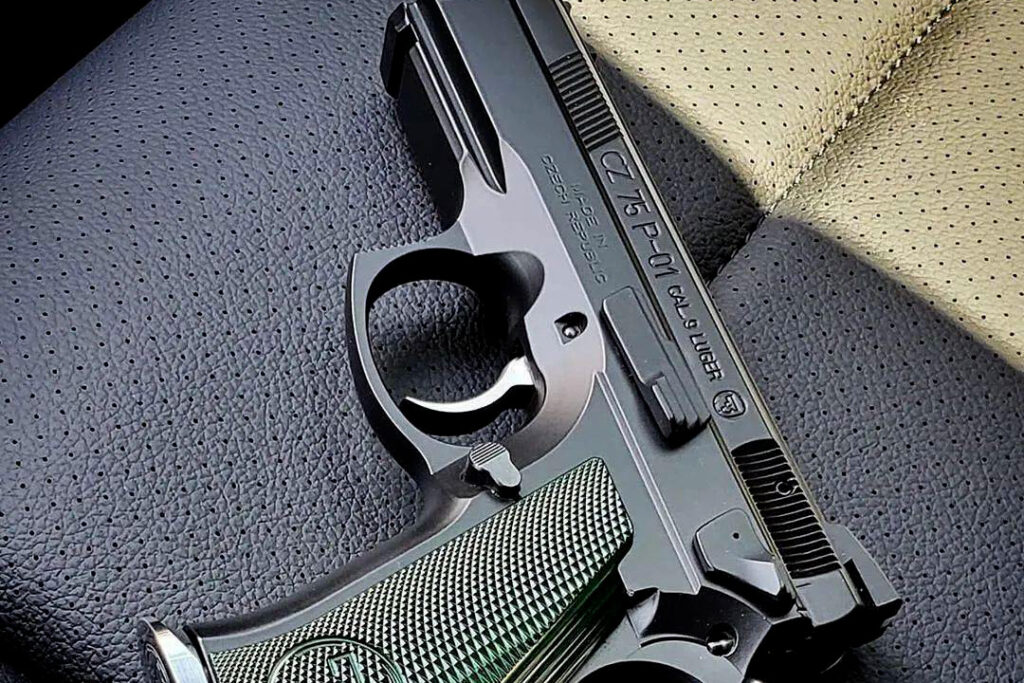
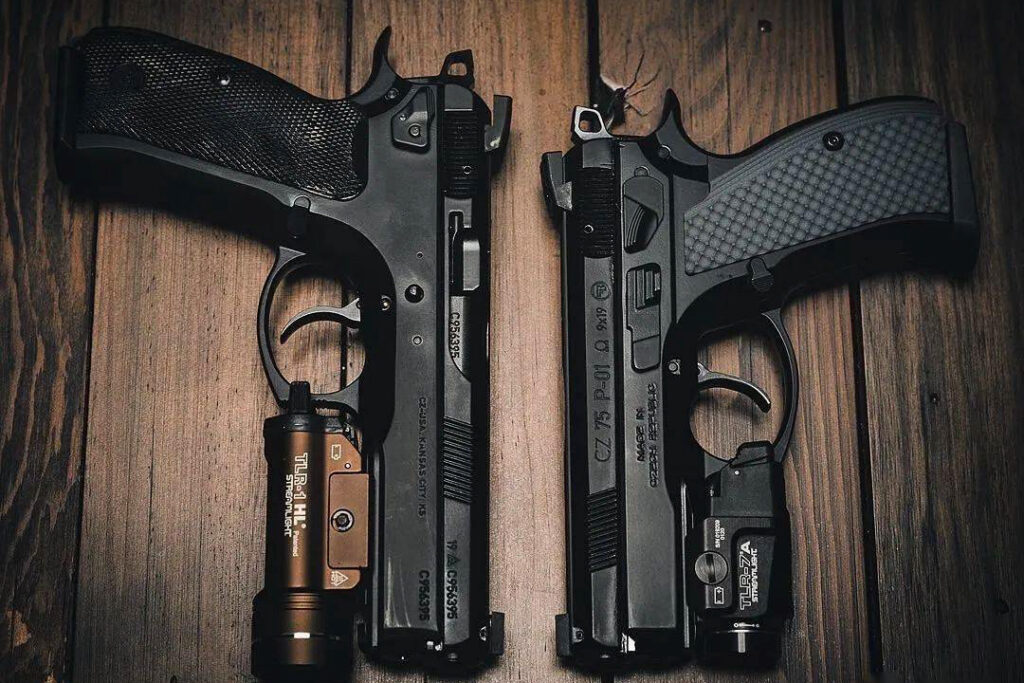
The 2001 P-01 variant integrated MIL-STD-1913 rails two years ahead of HK USP Tactical. By swapping slide assemblies, it achieves 3x faster caliber conversion between .22LR training and 9mm combat rounds than traditional systems. The 2020 SP-01 Tactical introduced optics mounts, shrinking 25-yard groups from 4″ to 1.5″.
II. Global Footprints: Code to 36 Nations’ Choice1.
1.Iron Curtain Consensus
During the Cold War, CZ 75 won favor from both Warsaw Pact agents and NATO elites: KGB specified chrome-plated versions for Arctic operations, while SEAL Team Six customized .40 S&W variants for covert missions — a unique “dual allegiance” in firearms history.
2.Clone Empire Rising
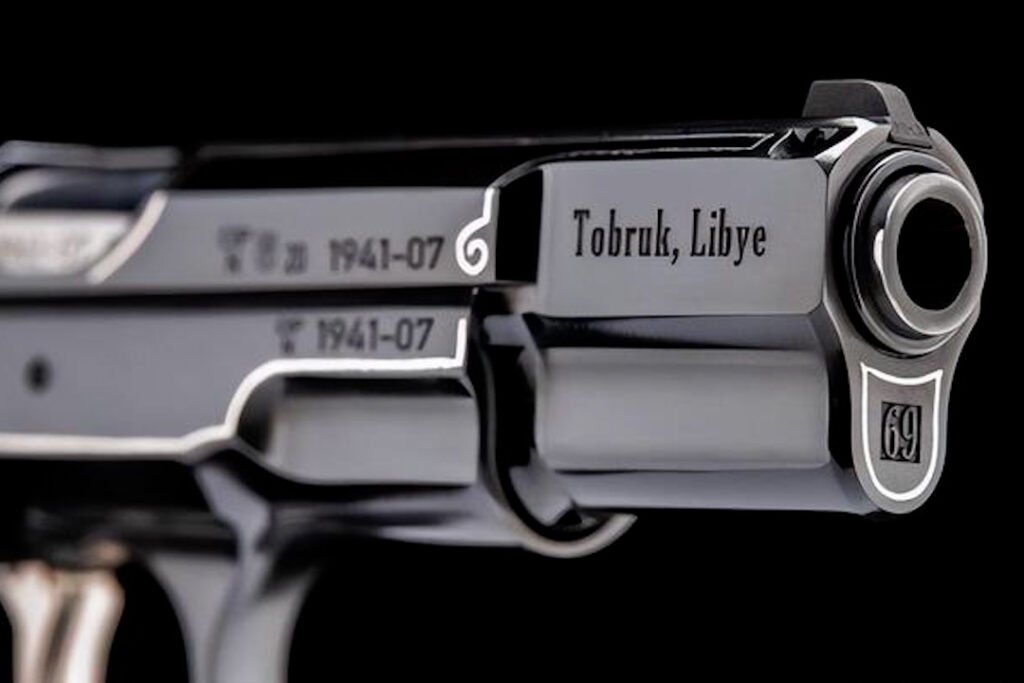
From Israel’s Jericho 941 to China’s NZ-75, at least 17 nations have produced CZ 75 derivatives. Italy’s Tanfoglio TZ-75 even contributed improved trigger groups back to CZ, fueling IPSC champion Adam Tyc’s triumphs.
3.Civilian Market Conquest
Priced around $500 (1/3 of SIG P226), CZ 75 defied logic with 11% higher 300m hit rates in US shooting schools. Its .22LR conversion kit slashed per-round cost to $0.07, revolutionizing firearms education accessibility.
III. Ballistic Verses: From Balkans to Arenas
1.Sarajevo’s Urban Sonata
During the 1995 siege, Bosnian forces used CZ 75 to penetrate six brick walls at 15m, settling debates about AK-74’s concrete penetration. Improved SS109 AP rounds later pierced CRISAT armor at 50m.
2.Counterterror Duet
Czech URNA HRT’s CZ 75 P-01 with suppressors achieved 100% hits within 23cm “kill zone” during 2002 hostage rescue, its aluminum frame surviving 1.5m drop tests despite 785g weight.
3.Metallic Storm in Competition
The 1.27kg CZ Shadow 2 with 3.5lb match trigger dominated IPSC Production division for seven consecutive years. Its patented orange grip system optimized palm pressure distribution by 37%, enabling 0.15s/shot cadence.
IV. Evolution: Phoenix from Controversy
1.Full-Auto Misstep
The 1992 CZ 75 AUTO (1,000rpm) was limited to 2,382 units due to uncontrollable recoil, yet its magazine-forward grip inspired Stribog SP9A3’s design.
2.Material Revolution
Addressing 0.15mm slide warping after 120-round bursts, the 2015 MK3 adopted nanocrystalline steel, boosting heat resistance to 650°C while reducing weight by 7%.
3.Smart Firearm Future
The 2024 prototype integrates micro-ballistic computers with barrel sensors, controlling shot dispersion within ±9% under extreme conditions — equipping each round with a “guidance system”.
Epilogue: Unending Steel Sonata
From its 1975 debut, the CZ 75 has transformed from socialist arsenal product to global firearms icon over five decades. When shooters cock its chrome-plated hammer, they touch not just Czechoslovakia’s industrial legacy, but the eternal paradigm where mechanical artistry meets combat efficacy.

