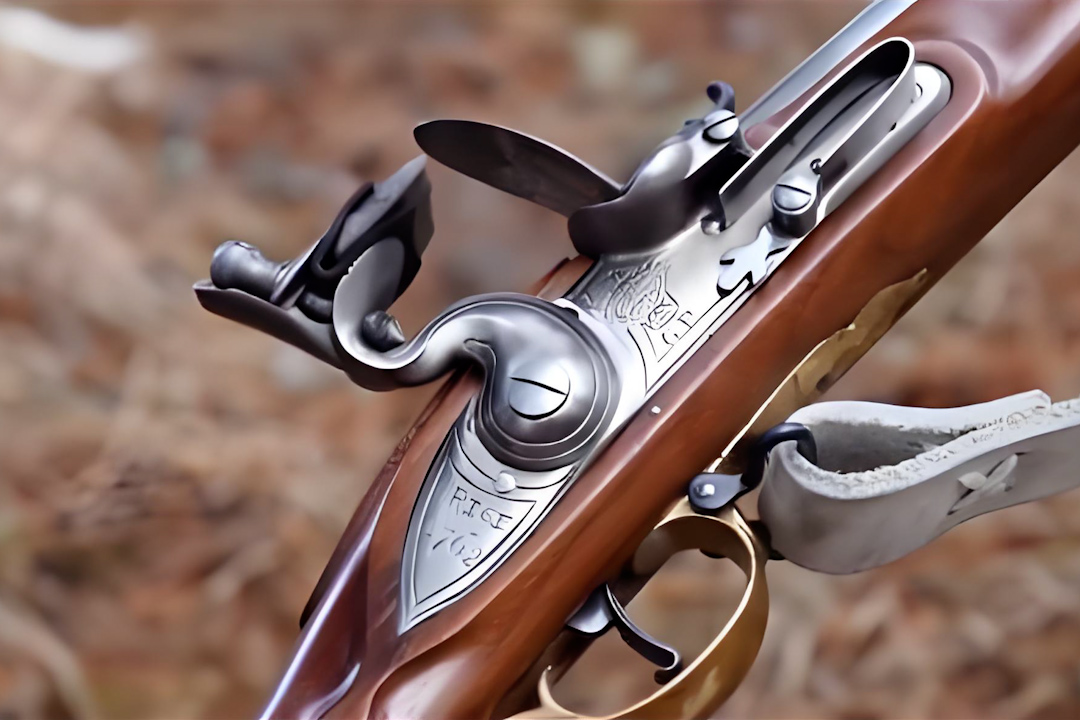
1.Origins and Historical Context of the Flintlock
The flintlock firearm, a dominant battlefield weapon from the 17th to the early 19th century, marked a technological leap from the unreliable matchlock mechanism to a more dependable ignition system. Early matchlock firearms relied on a slow-burning cord (the “match”) to ignite gunpowder, a process that was cumbersome and prone to failure in damp conditions. To address these limitations, European gunsmiths began experimenting with a new ignition method using flint striking metal to generate sparks.
Around 1610, French engineer Marin le Bourgeois developed the first practical flintlock mechanism. This invention was quickly adopted by European armies and proved its worth during the Thirty Years’ War (1618-1648). By the 18th century, flintlock firearms had become the standard weaponry for infantry and cavalry, maintaining their prominence until the dawn of the Industrial Revolution.
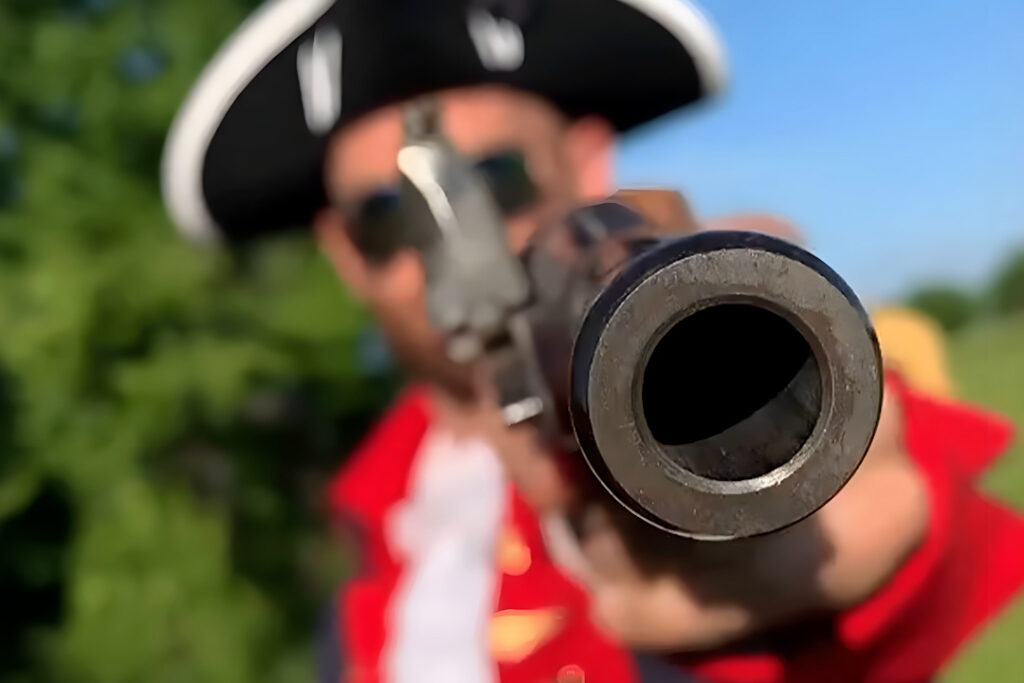
2.Mechanism and Technical Features of the Flintlock
The flintlock’s core innovation lay in its ignition mechanism. When the trigger was pulled, a piece of flint held in the “cock” (a spring-loaded arm) struck a steel plate called the “frizzen,” generating sparks. These sparks fell into the priming pan, igniting a small amount of gunpowder. The flame then traveled through a touch hole into the barrel, igniting the main charge and propelling the projectile forward.
Compared to matchlocks, flintlocks offered three major advantages:
- Improved Reliability: No reliance on an external flame, enabling use in rain or wind.
- Faster Rate of Fire: A skilled shooter could fire 2-3 rounds per minute.
- Enhanced Stealth: The absence of a burning match reduced the risk of detection during nighttime operations.
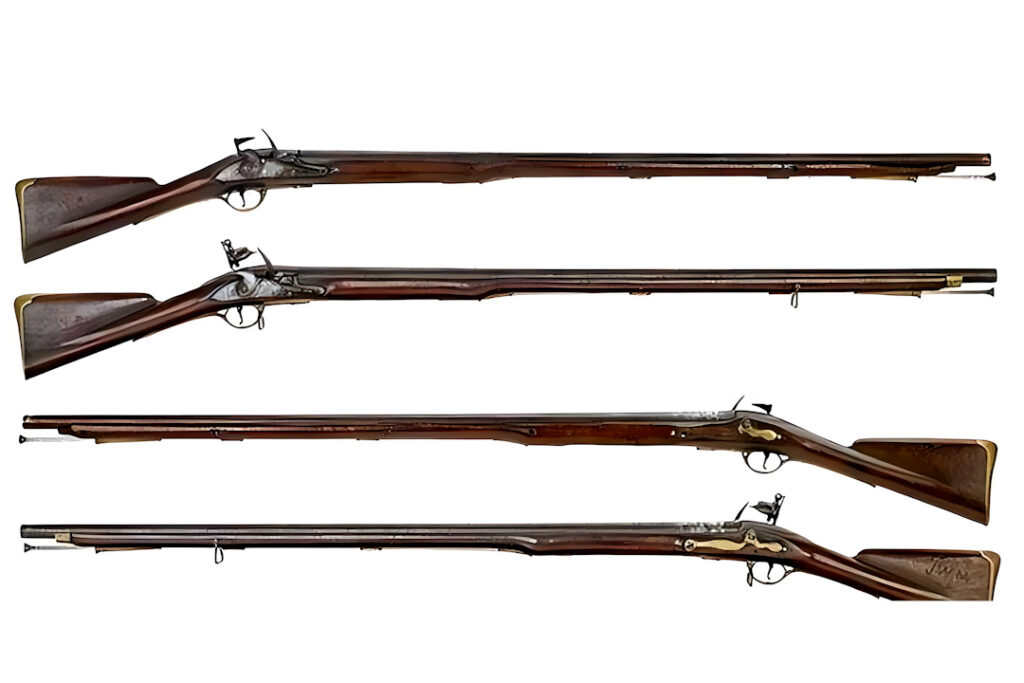
3.Military Applications and Tactical Evolution
The widespread adoption of flintlocks revolutionized early modern warfare. In 18th-century Europe, line infantry tactics became dominant. Soldiers formed disciplined ranks and delivered concentrated volleys to maximize firepower. Frederick the Great of Prussia famously trained his troops to achieve a theoretical rate of fire of five rounds per minute, though this pace was unsustainable in actual combat.
Flintlocks also gave rise to light infantry units. These troops utilized the weapon’s portability for skirmishing tactics, exemplified by American riflemen during the Revolutionary War and the British Army’s Green Jackets.
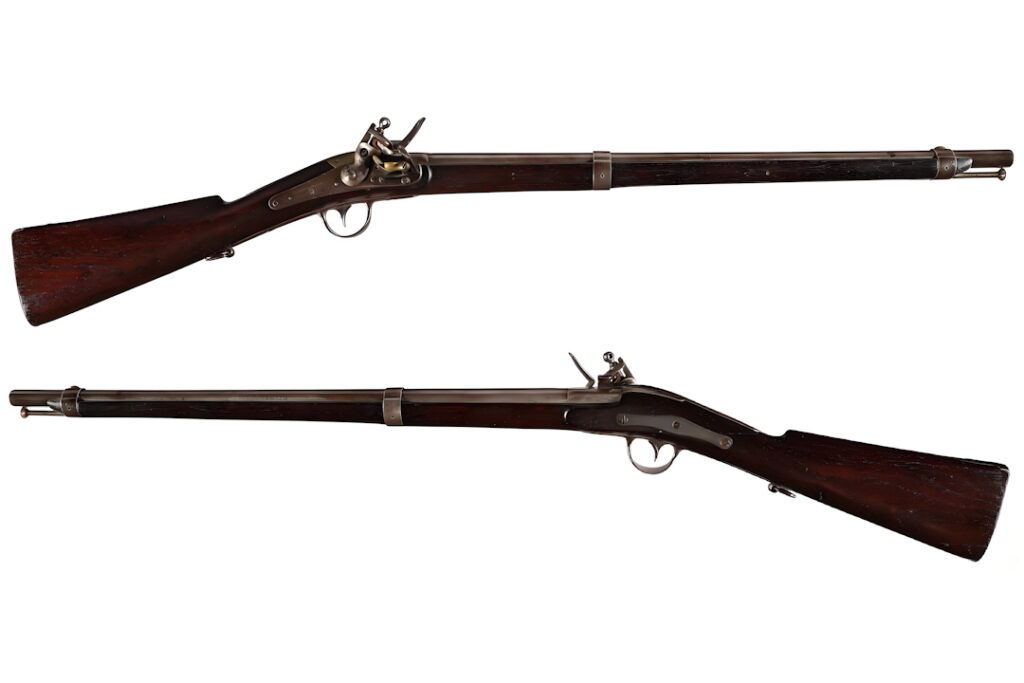
4.Iconic Flintlock Models and Their Historical Significance
- French Charleville M1728
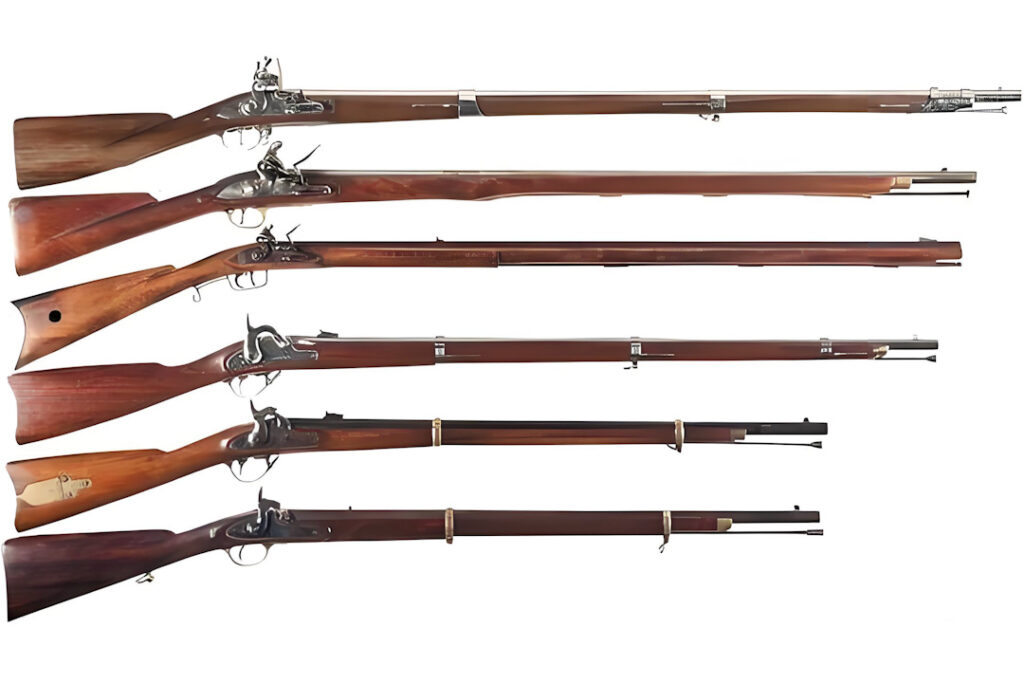
The standard French infantry musket, the Charleville M1728 was renowned for its accuracy and durability. It played a key role in supporting American colonists during the Revolutionary War and influenced early U.S. Springfield Armory designs.
- British Brown Bess
One of the most produced flintlocks in history, over 4 million Brown Bess muskets were manufactured from 1722 to 1838. Its name derived from the brown finish of its barrel (“Brown”) and the slang term “Bess” for a firearm. It became an icon of British imperial expansion.
- American Kentucky Rifle
Designed for hunting and long-range accuracy, the Kentucky Rifle featured a rifled barrel that extended its effective range to 300 meters, far surpassing smoothbore flintlocks. It gained fame during the American Revolutionary War.
5.Limitations and Legacy of the Flintlock
Despite its advancements, the flintlock had notable flaws. Its ignition success rate was around 70%, and misfires required up to 30 seconds to remedy. By the early 19th century, the invention of the percussion cap rendered flintlocks obsolete.
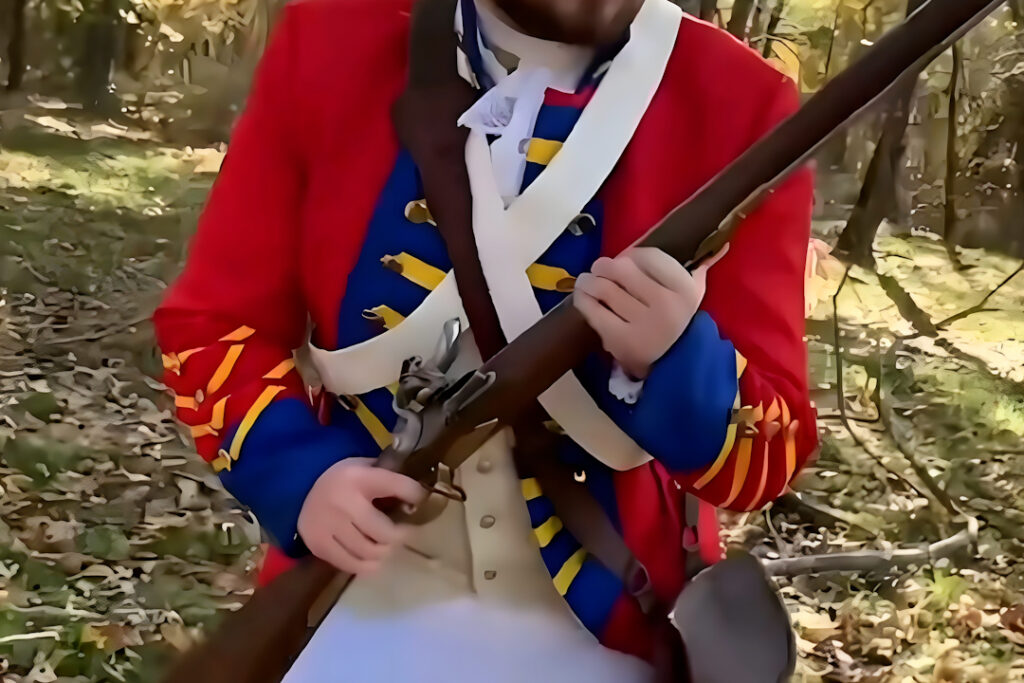
Nevertheless, the flintlock left an indelible mark. It witnessed the Napoleonic Wars and the birth of the United States, while pioneering concepts of standardized firearm production. Today, flintlock replicas remain popular among historical reenactors and collectors.
Conclusion
From a technological perspective, the flintlock represents a pivotal transition in firearm history. It marked the end of the cold weapon era while laying the groundwork for modern cartridges and breech-loading mechanisms. As military historian Geoffrey Parker noted, “The flintlock was not merely a weapon—it was a catalyst for modern armies and nation-states.”

