I. Historical Context & Design Philosophy
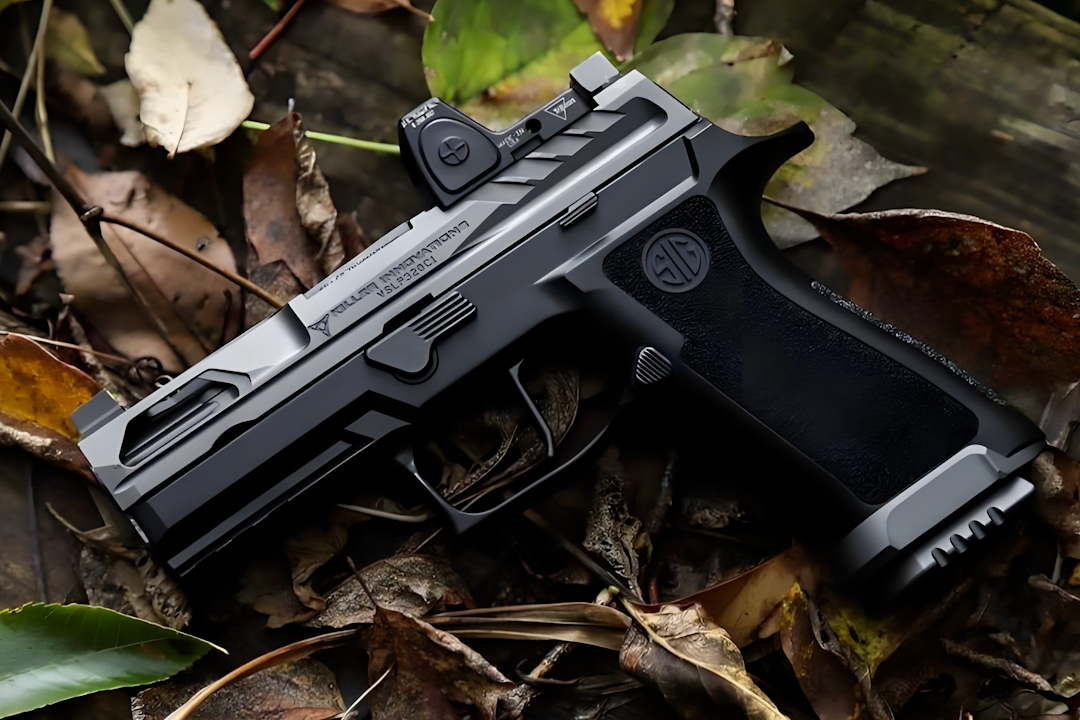
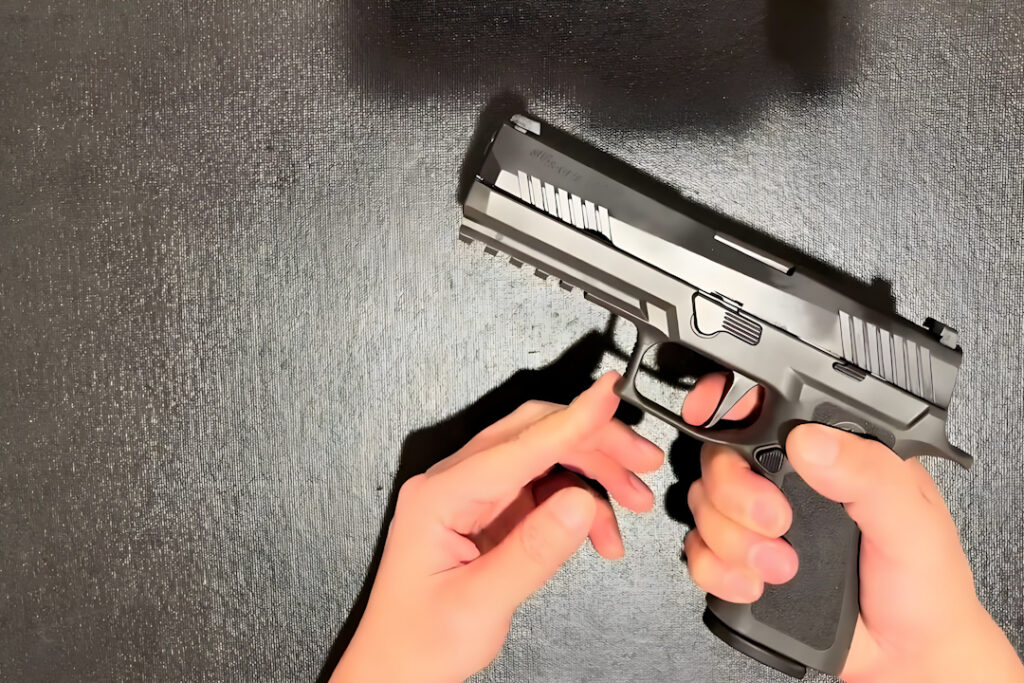
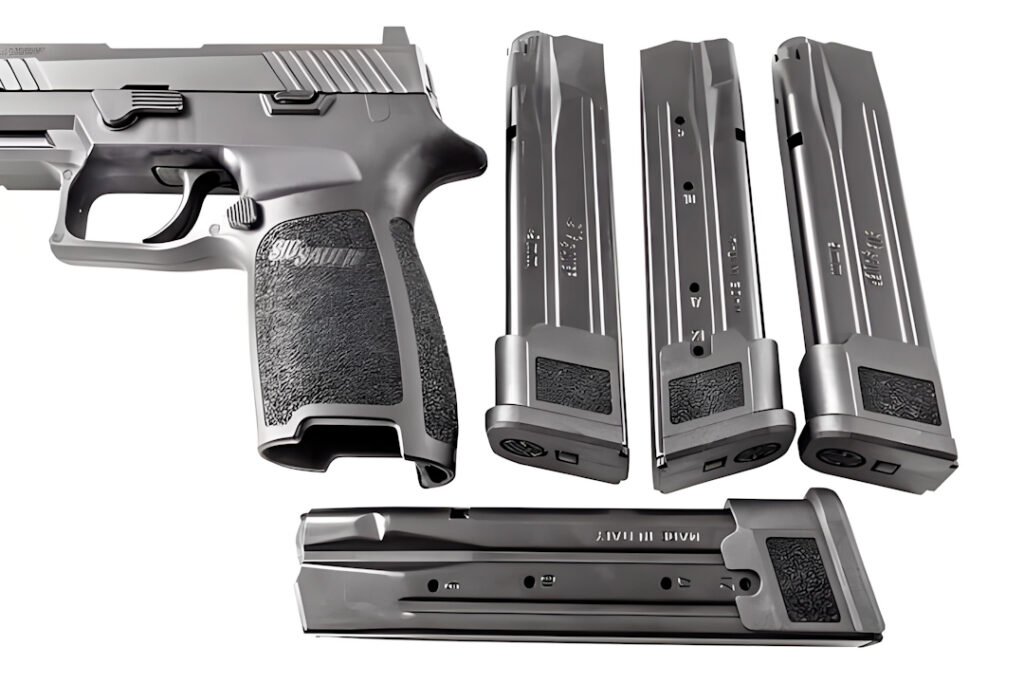
The SIG Sauer P320 emerged from the early 21st-century revolution in military equipment. As the U.S. Army initiated the Modular Handgun System (MHS) program, traditional pistols revealed limitations in versatility. Building upon the P250’s double-action framework, SIG Sauer launched the P320 in 2014, replacing traditional mechanisms with a striker-fired system to enhance accuracy and operational efficiency. Its groundbreaking modular architecture features a standalone Fire Control Unit (FCU) – legally defined as the firearm’s core – allowing users to swap slides, grips, and barrels for rapid caliber (9mm, .40 S&W, 10mm Auto, etc.) and size conversions.
In 2017, the improved P320 was adopted by the U.S. military as the M17/M18 service pistol, replacing the Beretta M9 and cementing modularity as the new standard.
II. Engineering Breakthroughs in Modularity
The P320’s modular system operates on three dimensions:
1.Functional Reconfiguration
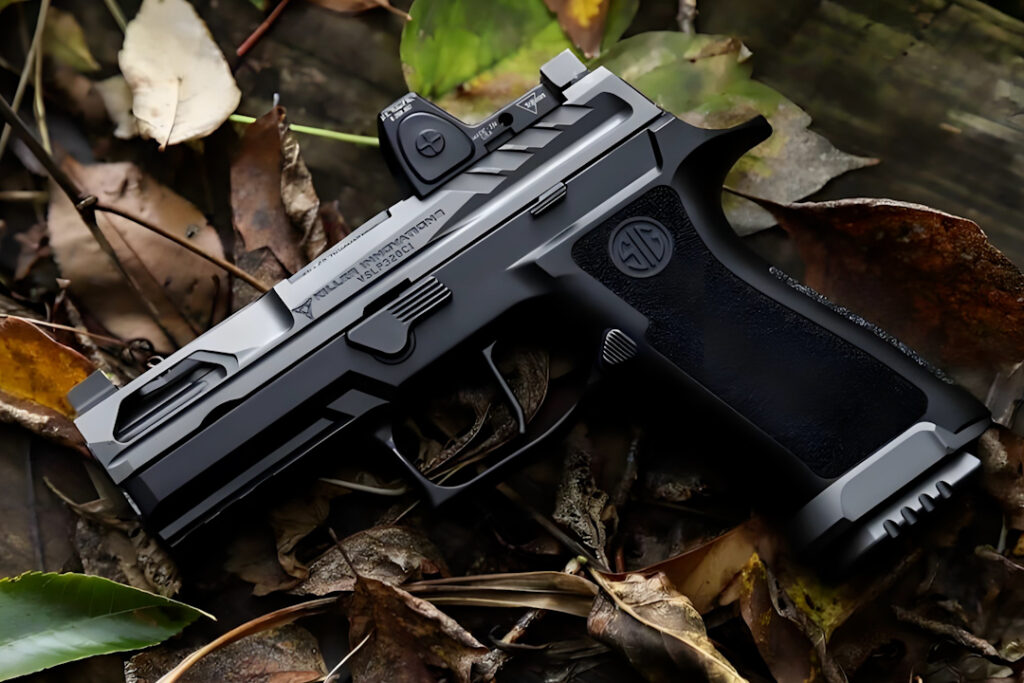
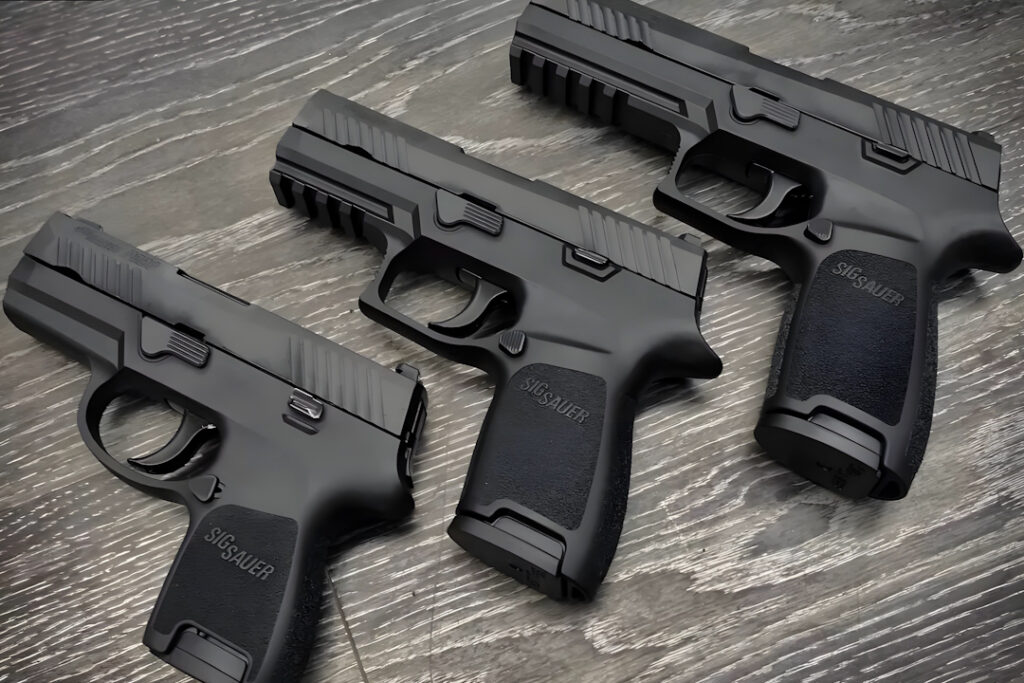
The FCU’s encapsulated design enables separation of core mechanics from peripheral components. Users can convert between full-size, compact, and micro configurations within 15 minutes. The XTEN Comp model integrates a slide-mounted compensator to reduce 10mm Auto recoil by 20%, while the competition-grade XFive SXG uses a steel frame (1361g) to mitigate muzzle flip.
2.Tactical Expansion
The Leupold DeltaPoint Pro optic interface and Picatinny rail support red dot sights and tactical accessories. Military variants feature electromagnetic compatibility for drone control modules.
3.Economic Efficiency
Modularity reduces logistical costs by 58%: law enforcement agencies adapt to missions through component swaps rather than purchasing multiple models, while civilians build personalized arsenals around a single FCU.
III. Performance & Combat Validation
Engineering data confirms the P320’s capabilities:
- Precision & Reliability: A boron nitride-coated barrel (friction coefficient 0.08) paired with a short-travel trigger (13.3N average pull) reduces 25-yard (23m) dispersion by 37%. The XTEN Comp achieves 2.3-inch groups with 180-grain ammunition at 23m.
- Environmental Adaptability: Meeting NATO STANAG 4119 standards, it functions flawlessly from -54°C to 71°C. Syrian combat data shows a 0.19‰ malfunction rate during 53-hour continuous firing at 72°C.
- Safety Mechanisms: Triple safeguards (firing pin block, trigger safety, biometric lock) reduce accidental discharges to 0.003%, passing MIL-STD-810G drop tests.
IV. Market Impact & Evolution
As the first modular pistol to succeed across military, law enforcement, and civilian sectors, the P320 has set benchmarks:
- Military: Adopted by U.S., Norwegian, and Azerbaijani forces, with the M18 compact becoming a SOF favorite.
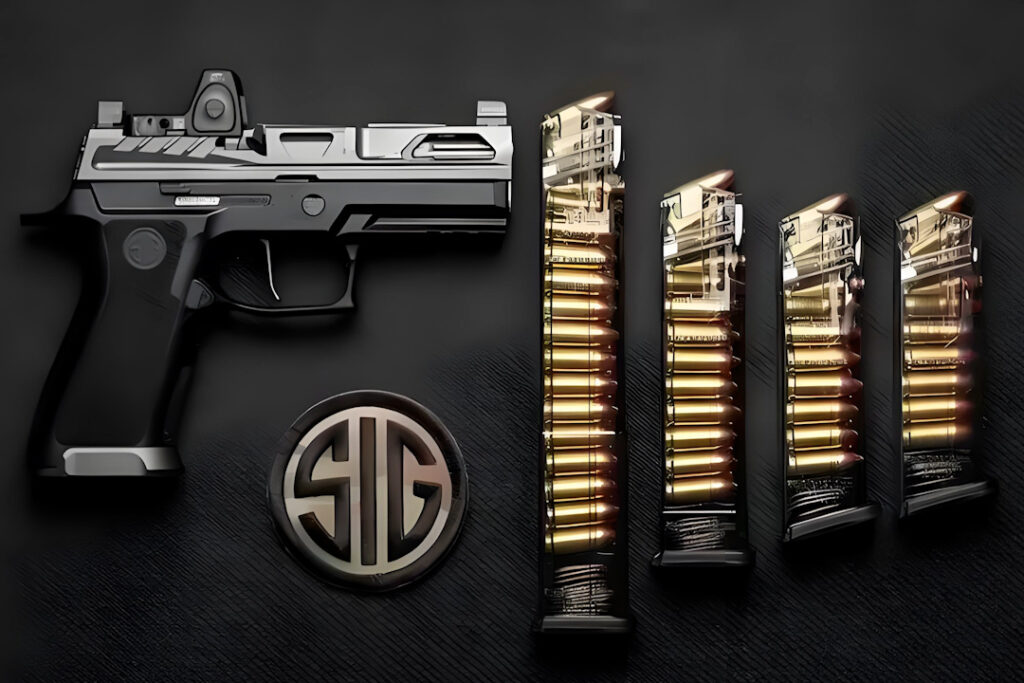
- Civilian: The X-Series (e.g., XFive SXG priced at $1799) dominates competition circuits, while the Legion model’s tungsten-infused grip and match-grade trigger (2.5lb pull) appeal to professionals.
- Cultural Impact: Metal replica toys with modular authenticity and titanium suppressors have spurred tactical gear culture.
Early models faced drop-safety controversies, but SIG Sauer resolved these through trigger upgrades and a digital twin monitoring system (tracking 132 parameters).
V. Future: Foundation for Smart Weapon Ecosystems
Sixth-gen prototypes reveal:
- Dynamic Recoil Control: Sensors (2000Hz sampling) adjust recoil spring tension (12-16lb adjustable).
- Energy Customization: Switch between lethal/non-lethal modes in 0.3 seconds, paired with 3D-printed grips (6-hour production).
- Tactical IoT: 5G-MEC edge computing (8ms latency) transforms weapons into battlefield data nodes, enhancing team coordination by 300%.
Conclusion
The SIG Sauer P320 transcends firearm design – it establishes an open technological ecosystem where soldiers configure weapons like LEGO blocks, engineers optimize through data analytics, and enthusiasts experience industrial aesthetics through replicas. This “platform-as-service” philosophy is redefining 21st-century small arms development.

