I. Forged in Winter: Bloody Lessons from the Finnish Front
In the -40°C wilderness of Finland’s Winter War (1939), Soviet troops faced their most humiliating defeat. Finnish soldiers wielding Suomi KP-31 submachine guns shredded Red Army assault formations with 71-round drum fire. A furious Stalin ordered the resurrection of PPD-34—a shelved 1934 design by Vasily Degtyaryov once dismissed as a “bullet waster.”
By January 1940, Kovrov Arsenal worked around the clock. Degtyaryov’s emergency upgrades included:
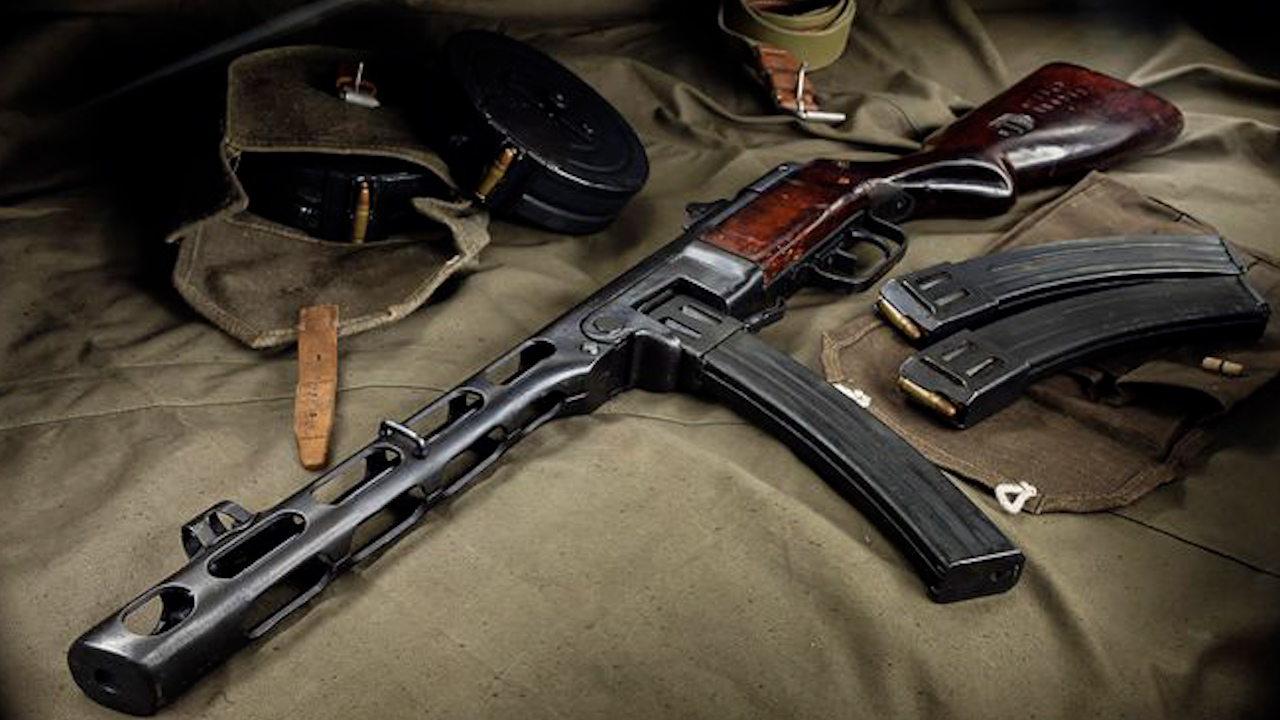
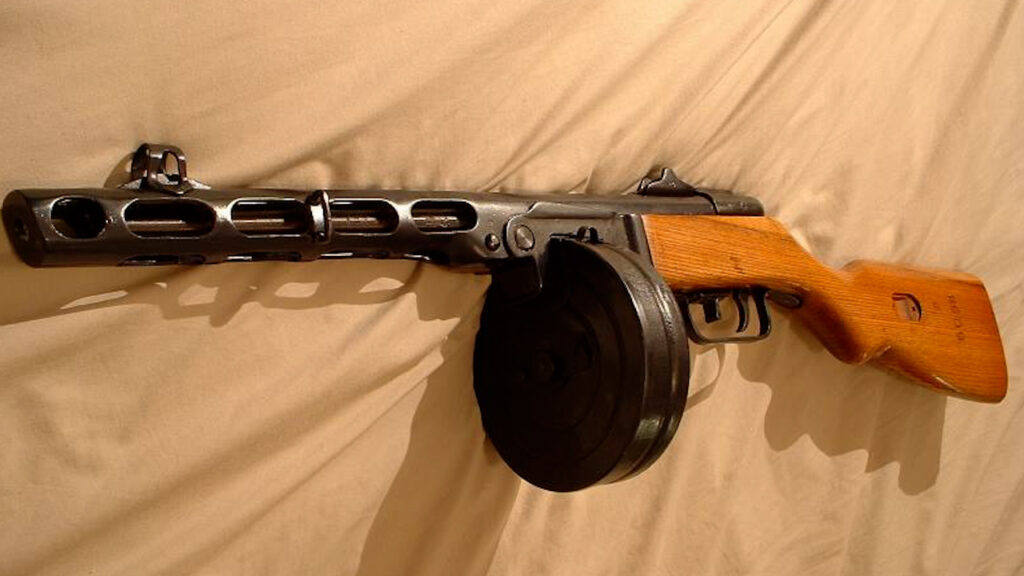
Drum Revolution: Cloning Suomi’s drum, ditching bulky feed tubes;
Arctic Proofing: Chrome-lined barrel firing corrosive ammo at -50°C;
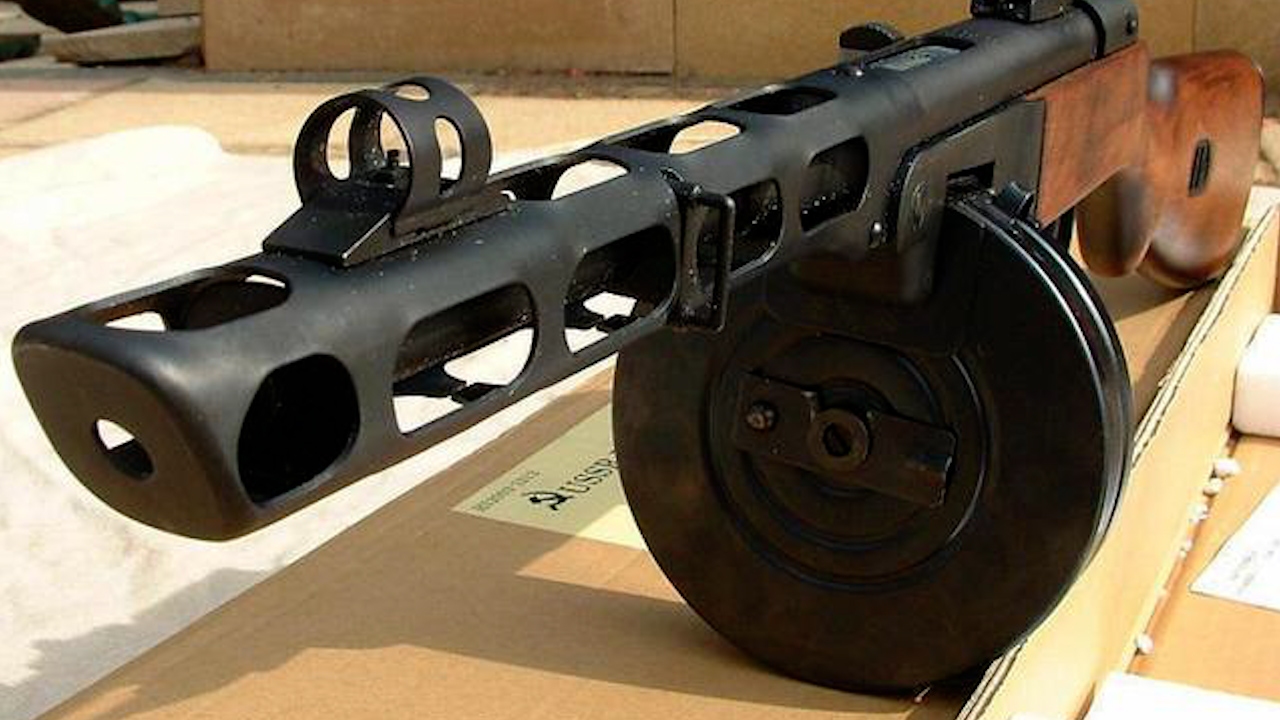
Simplified Build: 37 milled parts, barrel shroud holes reduced from 48 to 32.
Dubbed “KEDR” (Russian for cedar), the PPD-40 hit the front within three months, ice still clinging to its receiver.
II. Steel and Fire: The Underrated Tech Legacy
Brutalist Blowback
Open-Bolt Fury: Borrowing MP28’s mechanism, 1,000 RPM rate outpaced Suomi KP-31 by 20%;
Fatal Flaw: Unprotected floating firing pin caused 15% misfires in dust, forcing soldiers to carry cleaning rods;
Thermal Genius: Perforated barrel jacket (à la Maxim gun) kept temps at 120°C after 300 rounds (Thompson hit 200°C).
Drum vs. Mag: Eastern Front Survival Calculus
The 71rd drum weighed 1.8kg, pushing total weight to 5.45kg—1.3kg heavier than PPSh-41. Troops faced a dilemma:
Firepower Zealots: “71 rounds deny Germans any chance to lift their heads”;
Mobility Advocates: Switched to 25rd mags, using birch forests for 3-round bursts.
Trench Wisdom:
During the Siege of Leningrad, workers hand-filed magazine catches from truck springs—a hack later adopted by PPSh-41.
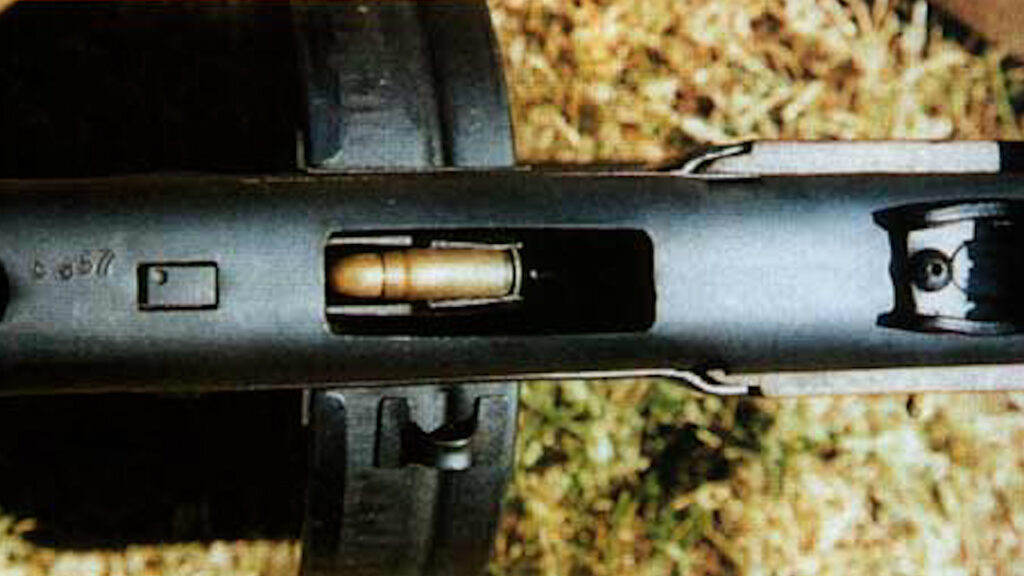
III. Light in Darkness: Leningrad’s 42,000 Handmade Heroes
September 1941: Nazi forces encircled Leningrad. With just 18 milling machines and 300 tons of scrap metal, engineer Mikhail Kapustin led women and students in history’s most desperate arms production:
Scrap Alchemy: Rails became barrels, furniture oak turned stocks;
Radical Simplification: Iron sights replaced by notched “+” grooves;
Miracle Output: 42,000 PPD-40s made in 1941-1942—47% of all production.
These “Siege PPDs” wrote legends:
Neva River Raid: Naval commandos crawled across ice, drum fire suppressing MG34 nests;
Pipe Hellfight: Worker battalions battled in chemical pipes, 7.62×25mm rounds (.45ACP-level stopping power) rendering German vests useless.
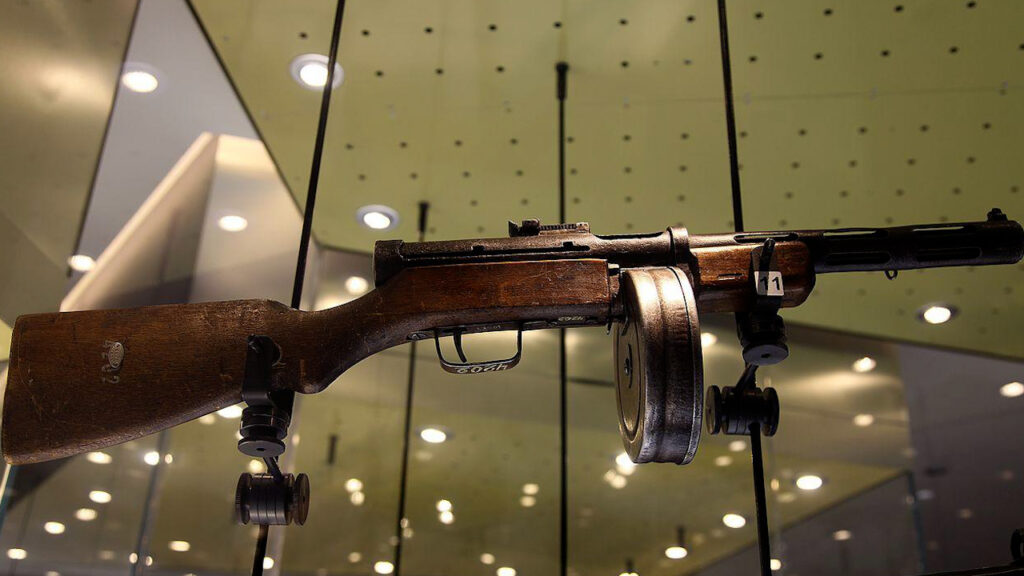
IV. Eastern Bloodline: 3,000 “Cedars” in China’s War of Resistance
In 1939, USSR secretly shipped 3,000 PPD-40s to China via Xinjiang. Nicknamed “Pine Needle Guns” for their barrel flutes:
Battle of Kunlun Pass: 200th Division commandos stormed Japanese HQ at night, 25rd mags overwhelming katana charges;
Behind Enemy Lines: Hebei guerrillas disassembled PPDs for mule transport, recycling drum springs for mine triggers.
After Barbarossa cut supply lines, Taiyuan Arsenal attempted cloning but managed only 12 prototypes due to milling limitations.
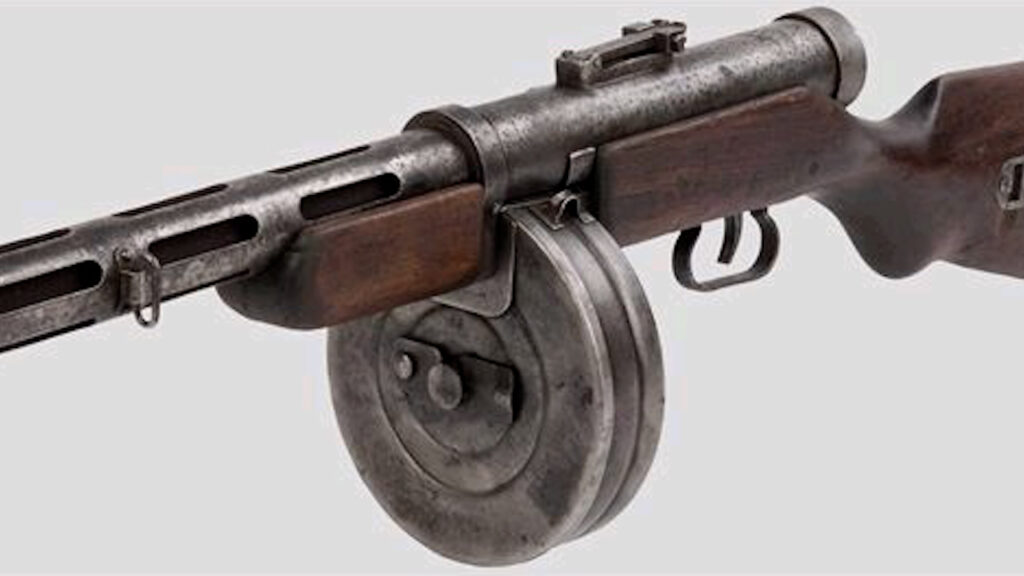
V. Cultural Rebirth: From Victory Museums to Virtual Battles
Collector’s Holy Grail
With under 200 originals surviving, a Siege PPD-40 fetched $29,000 at a 2018 NYC auction—triple an MP40’s value. Appraisers marveled: “Every milling mark is a medal of survival!”
Gaming’s Hidden Gem
《Enlisted》: PPD-40 dominates as “Soviet starter SMG,” 71rd drums outlasting German MP40;
《Girls’ Frontline》: Personified as tsundere elite “Popod,” her line “Drum’s weight? Just victory’s counterweight” nods to history.
VI. Eternal Doctrine: Why PPD-40 Still Teaches Spec Ops
Though replaced by PPSh-41 in 1942, PPD-40 left three eternal rules:
“Extreme environs demand extreme reliability; people’s wars need people’s weapons; arms can be crude, but dignity never compromises.”