I. Birth: The Soviet “Browning Dream”
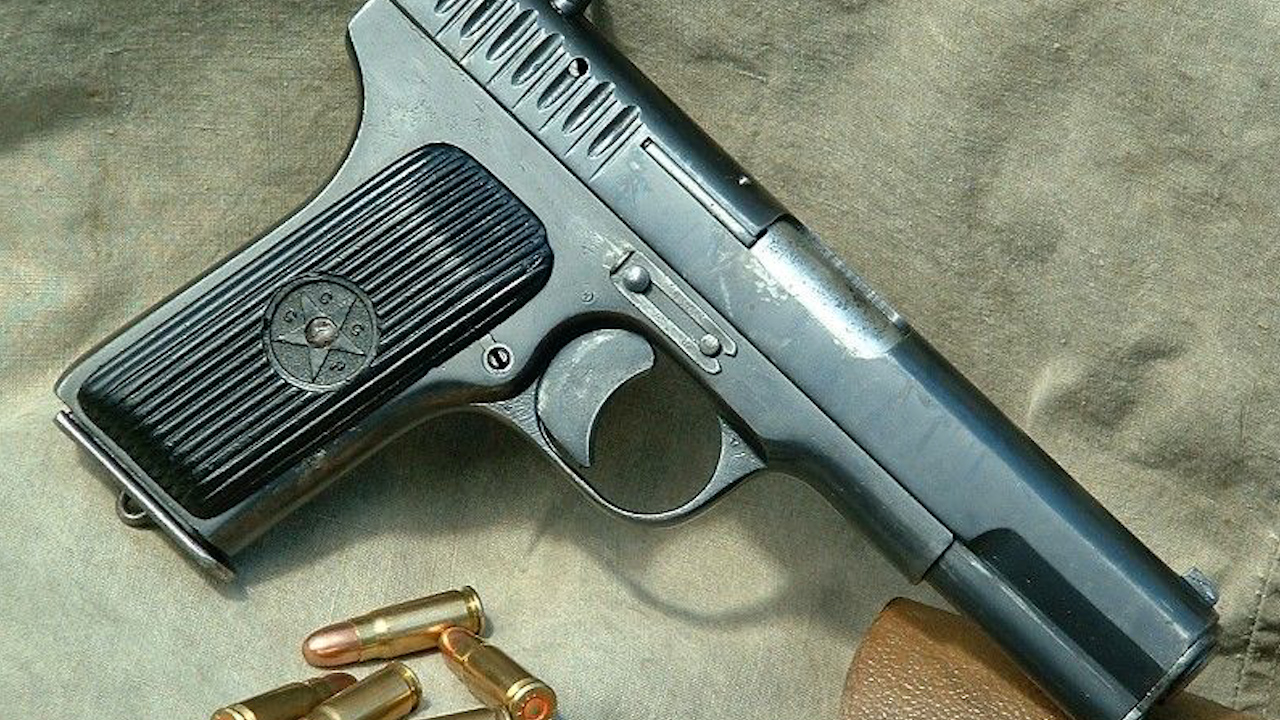
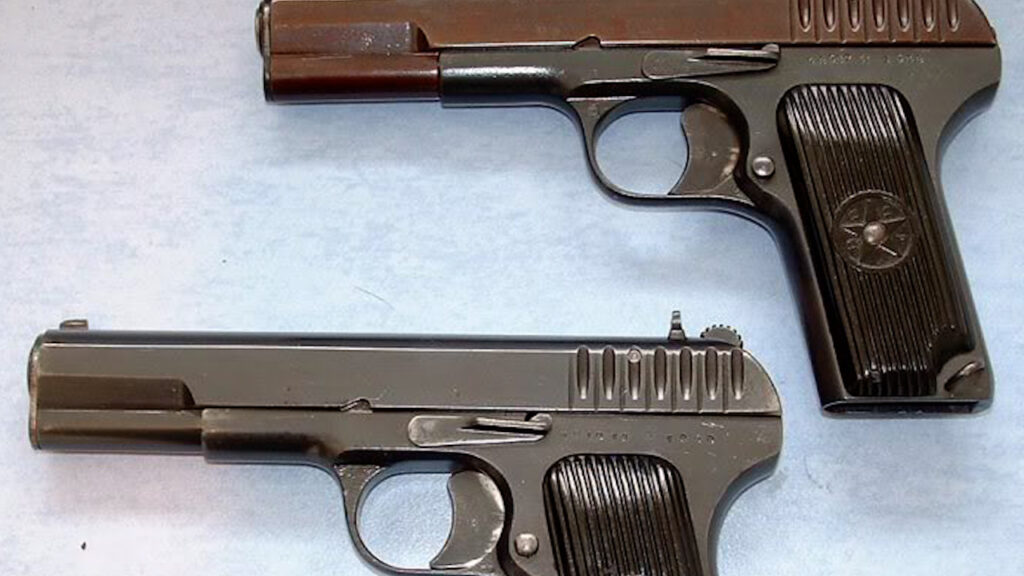
In 1930, Soviet firearms designer Fyodor Tokarev received a critical mission: to create a modern weapon replacing the Nagant M1895 revolver for the Red Army. Inspired by Browning’s M1911 and FN M1903, Tokarev reimagined them with typical Soviet pragmatism—simplifying structure, reducing costs, and enhancing reliability. Finalized in 1933, the TT-33 entered production at the Tula Arsenal, its name “TT” abbreviating “Tula Tokarev”.
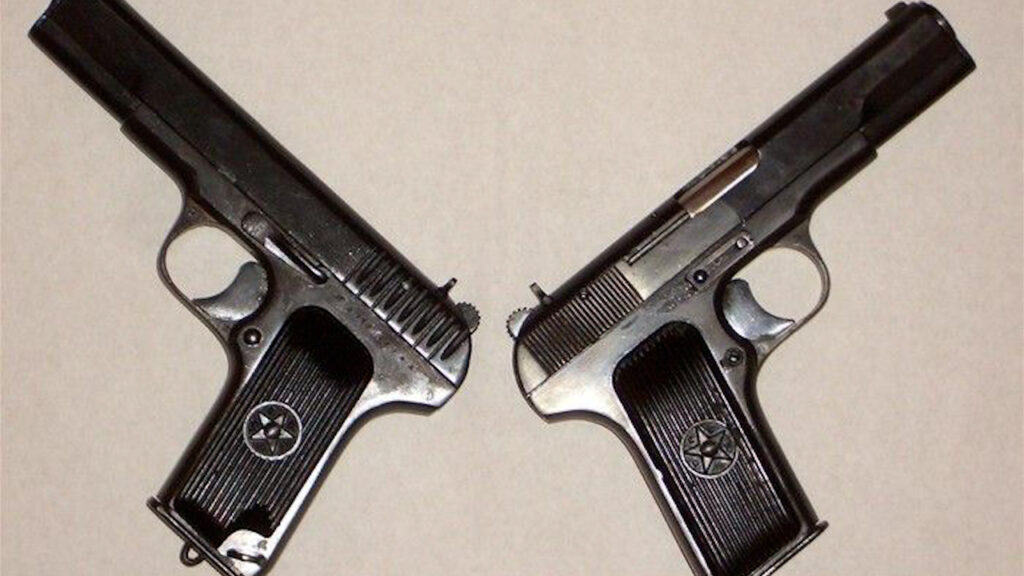
The core innovation was modular design: hammer, sear, and springs were integrated into a single removable unit, allowing soldiers to maintain it in trenches within 10 seconds. This made it better suited to the Eastern Front’s harsh conditions than Western counterparts, cementing its identity as a “wartime tool.”
II. Design: Engineering Masterpiece of Brutalist Aesthetics
Firepower: Chambered in 7.62×25mm Tokarev (modified from Mauser C96’s 7.63mm round), its bullet velocity reached 420 m/s, penetrating early body armor within 50 meters. This made it terrifying in close combat—”one torso hit neutralizes the enemy”.
Minimalist Construction: Just 22 parts (vs. 40+ in the M1911), using short-recoil and tilting-barrel locking. The barrel’s locking lug was redesigned as a full ring for enhanced durability. Weight: 0.85 kg; length: 195 mm.
Controversial Flaw: To accelerate production, manual safety was omitted, relying only on a half-cock notch. German troops capturing it dubbed it the “hair-trigger reaper”.
Battlefield Anecdote: During Stalingrad (1942), sniper Vasily Zaytsev used a TT-33 to counter-kill two Germans at 15 meters—its power overshadowing its loose magazine catch.
III. Combat: Witness to the Great Patriotic War
TT-33’s zenith was WWII:
Mass Production: After Germany’s invasion (1941), Tula Arsenal churned out 60,000 units per quarter. Total wartime production hit 1.7 million, with surface finishes sacrificed for reliability (e.g., wooden grips replaced Bakelite).
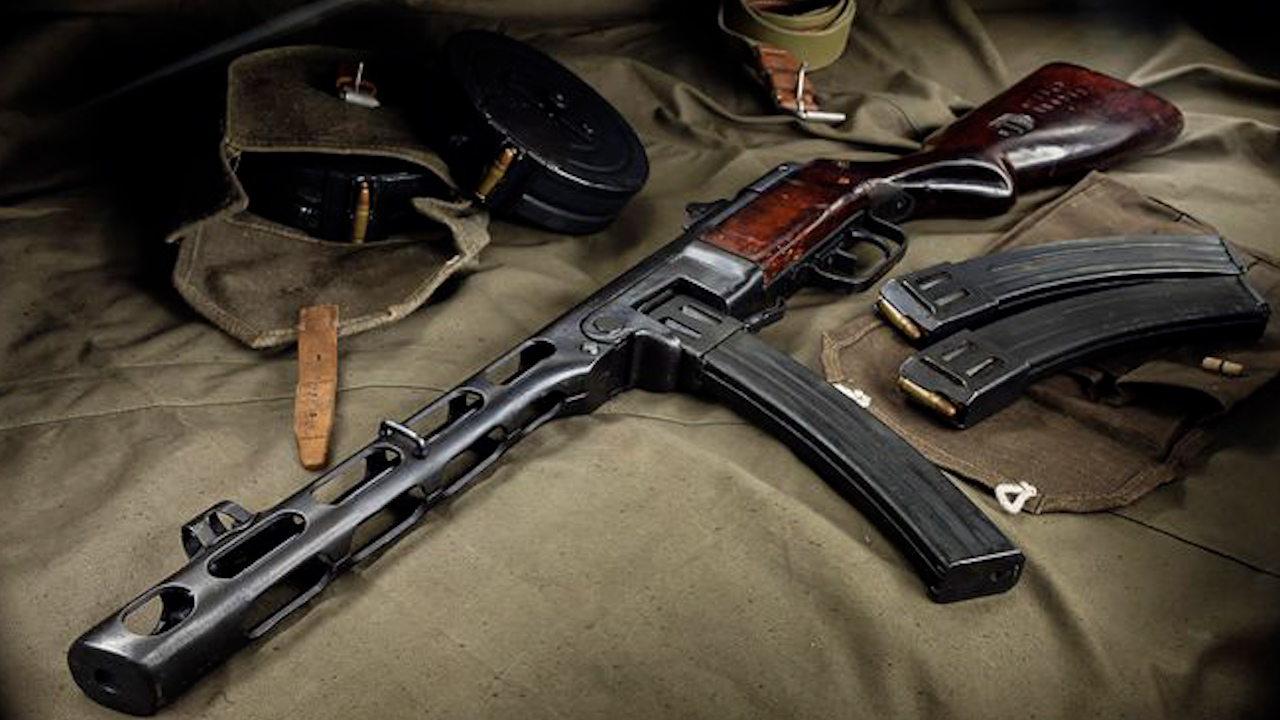
Multi-Role Sidearm: Issued to officers, tank crews, and pilots as a last resort. Its ammunition compatibility with PPSh-41 submachine guns streamlined logistics. A famous war photo shows Commissar Yeryomenko leading a charge with raised TT-33—an icon of Soviet resilience.
IV. Global Legacy: From Warsaw Pact to the Third World
Retired by the USSR in 1952 for the Makarov PM, the TT-33 lived on globally:
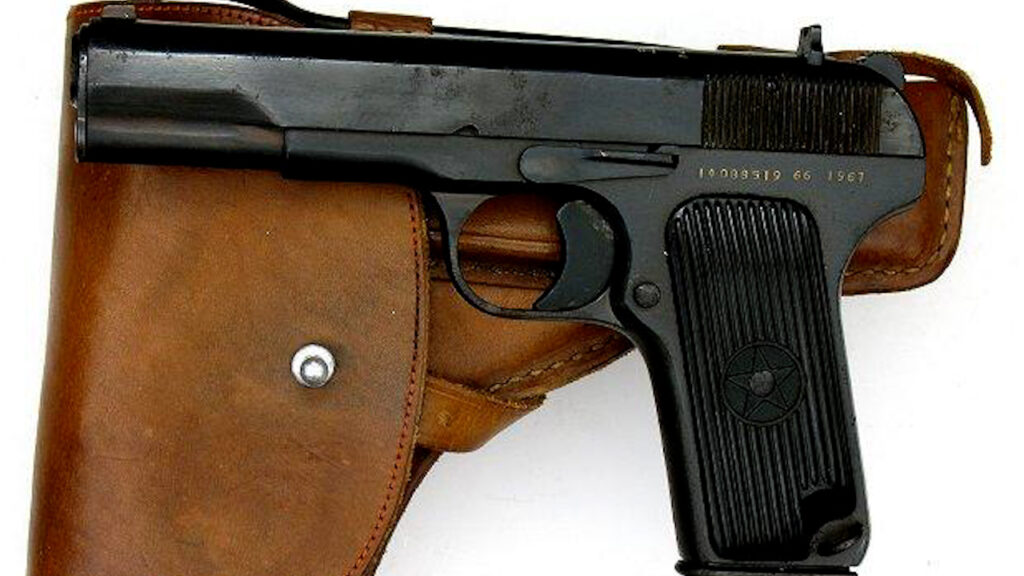
Chinese Type 54: Added manual safety, produced in millions. North Vietnam fielded it as the K-54 during the Vietnam War.
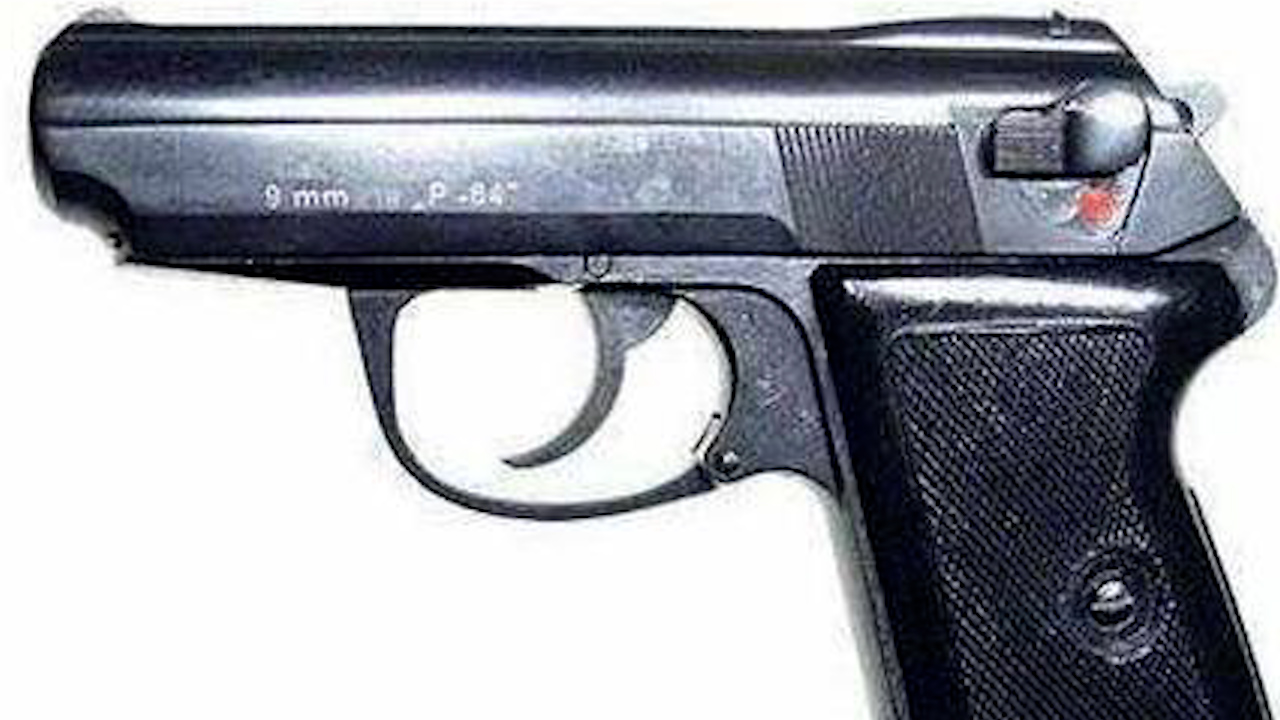
Variants Worldwide: Yugoslav M57 (9-round mag), Hungarian Tokagypt (9mm), North Korean M68… clones spanned 20+ nations.
Enduring Relevance: Still active in African/Middle Eastern conflicts—its cheap durability made it a guerrilla “totem”.
V. Legacy: Red Romance of the Machine Age
TT-33’s legend lies in three paradoxes:
Western DNA, Soviet Soul—Browning’s framework infused with Slavic ruggedness;
Fatal Flaw vs. Battlefield Reliability—No safety, yet trusted for simplicity;
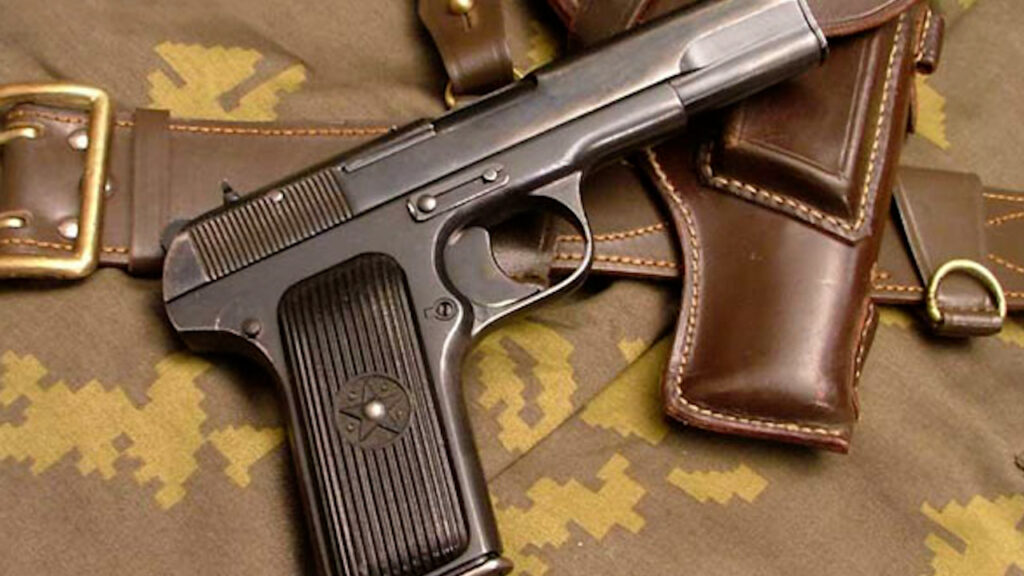
War Tool to Cultural Icon—From Eastern Front snows to Vietnamese jungles, embodying 20th-century revolutions.
Collector’s Note: Battle-worn original TT-33s auction for $1,500+, their scratches hailed as “medals of history.” Chinese Type 54s remain entry-level favorites for military collectors.